The historical journey of casinos From ancient gaming to modern marvels
The Origins of Gaming in Ancient Civilizations
The history of casinos can be traced back to ancient civilizations, where the foundations of gaming emerged in various forms. In ancient China, around 2300 B.C., games involving dice were played, which laid the groundwork for future gambling activities. Meanwhile, in ancient Rome, gambling was integral to social gatherings, with games like “tabula” and “alea” gaining popularity among citizens. These early forms of gaming set the stage for the eventual establishment of structured gaming venues, where one might even discover the best crypto casino options today.
As societies evolved, so did the nature of gambling. The Greeks and Romans created elaborate games that not only entertained but also stimulated the economy. Evidence suggests that gambling was used as a means to resolve disputes and predict outcomes, showcasing the intersection between gaming and decision-making in society. These ancient practices provided a glimpse into how humans have always sought to understand chance and probability.
The Rise of Gambling Houses in the Middle Ages
During the Middle Ages, gambling evolved from informal settings to more organized establishments known as gambling houses. These venues, often located in taverns and inns, catered to the growing demand for entertainment. The first known casino, “Il Ridotto,” opened in Venice in 1638, providing a regulated environment for games of chance. This marked a significant transformation in the perception of gambling, as it transitioned from a social activity to a more formalized business.
In addition, the emergence of card games during this period contributed to the popularity of gambling. The invention of the printing press allowed for the dissemination of rules and strategies, further enhancing the gaming experience. As gambling houses became more prevalent in Europe, the allure of risk and reward captured the imagination of many, paving the way for the casino culture we recognize today.
The Evolution of Casinos in the 19th Century
The 19th century marked a significant turning point for casinos, particularly with the establishment of Monte Carlo as the gambling capital of the world. The Casino de Monte-Carlo, opened in 1863, became synonymous with luxury and sophistication, attracting high society and affluent tourists. This era saw the introduction of iconic games such as roulette and blackjack, further refining the casino experience.
As casinos gained popularity, legislation began to regulate gambling activities. Various countries implemented laws to control the industry, aiming to curb illegal gambling while ensuring that venues operated within legal frameworks. This regulatory environment allowed casinos to flourish and expand, establishing a model that many modern gaming establishments continue to follow.
The Technological Revolution and Modern Casinos
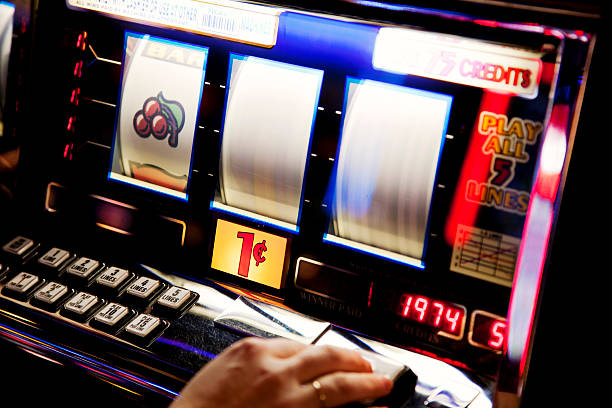
The late 20th century heralded a technological revolution that transformed the casino landscape. The introduction of electronic gaming machines, such as slot machines, revolutionized how people engaged with gambling. These innovations attracted a broader audience, including younger players who sought a more dynamic and interactive experience. As technology continued to advance, the integration of online gaming emerged, allowing players to enjoy casino games from the comfort of their homes.
Modern casinos now feature cutting-edge technology, with sophisticated gaming software and enhanced customer experiences. The rise of mobile gaming and virtual reality has further blurred the lines between traditional and online gaming, creating an immersive environment that appeals to a global audience. Today’s casinos are not only places of gambling but also entertainment hubs, offering dining, nightlife, and live performances.

Transatlantic Business and the Future of Casinos
As the casino industry continues to evolve, platforms like Transatlantic Business play a vital role in fostering connections across borders. By providing resources and networking opportunities for professionals in the gaming and hospitality sectors, they contribute to the ongoing dialogue about the future of casinos. The exchange of ideas and innovations across the Atlantic can enhance the industry, helping it adapt to changing consumer preferences and regulations.
Through collaboration and knowledge sharing, businesses involved in transatlantic trade and investment can unlock new opportunities and ensure the casino sector remains vibrant. As casinos navigate the challenges and possibilities of the modern world, platforms dedicated to fostering connections will be essential in shaping the future of this dynamic industry.